AI-Driven Influencer Identification and Management on Social Platforms
In the ever-evolving landscape of social media, brands and marketers continuously seek ways to amplify their reach and engagement. Central to this endeavor is the identification and management of influencers who can effectively promote their messages. Artificial Intelligence (AI) has emerged as a powerful tool in this realm, providing sophisticated methods to identify and manage influencers with unprecedented accuracy and efficiency. This article delves into the mechanics of AI-driven algorithms for influencer identification and explores how AI systems optimize influencer management.
AI-Driven Algorithms for Influencer Identification
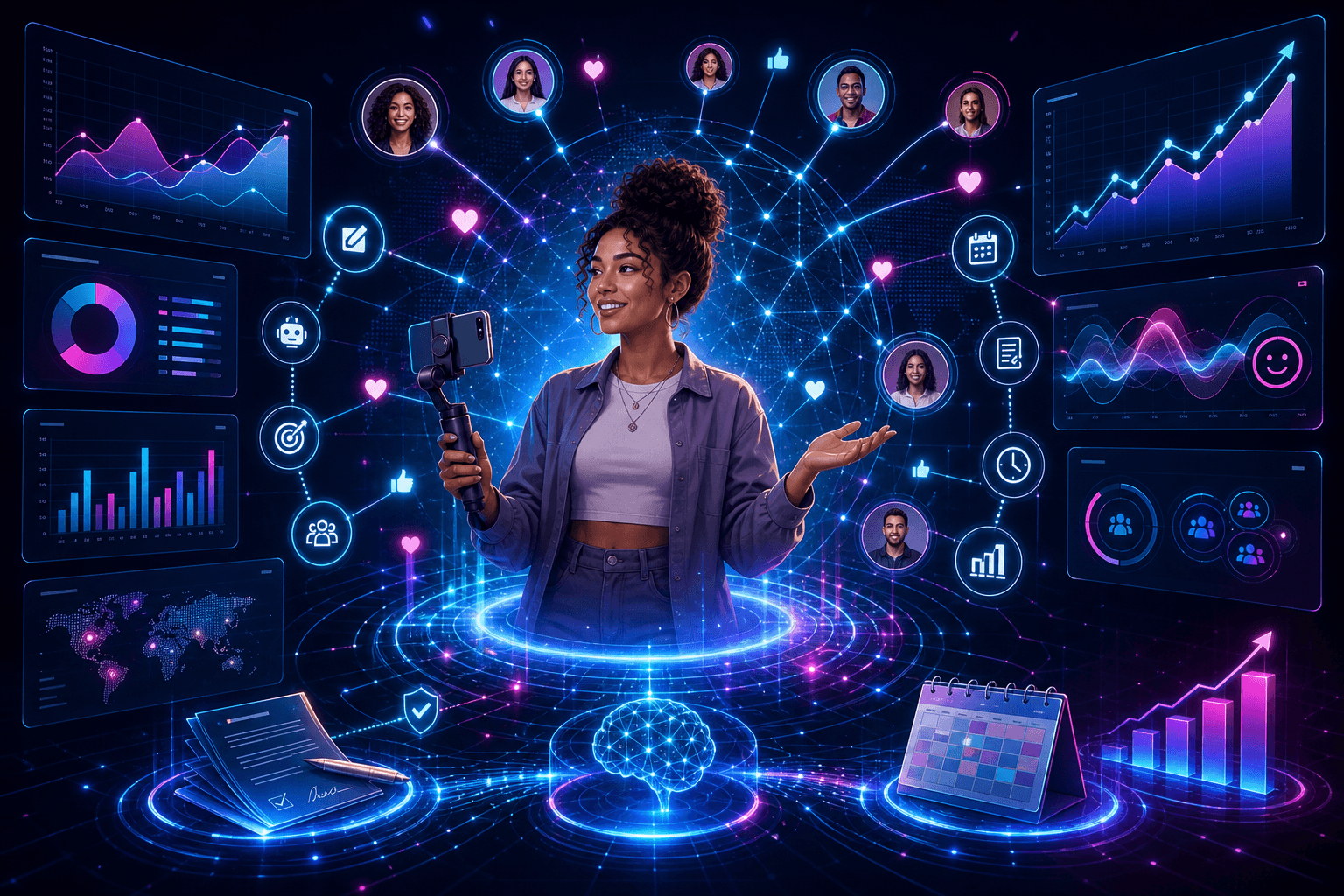
AI-driven algorithms leverage vast amounts of data to accurately identify potential influencers on social platforms. These algorithms analyze various metrics such as follower count, engagement rates, and content relevance. By employing machine learning techniques, they can discern patterns and trends that are indicative of an individual’s influence within a specific niche. Natural Language Processing (NLP) further enhances this process by evaluating the sentiment and impact of the influencer’s content, ensuring that the identified influencers align with the brand’s values and objectives.

The integration of AI in influencer identification goes beyond surface-level metrics. Advanced algorithms can track and predict the growth trajectory of influencers, providing a forward-looking perspective that is crucial for long-term marketing strategies. By examining historical data and current engagement trends, these systems can forecast an influencer’s potential for future success. This predictive capability allows brands to invest in rising stars early on, securing partnerships that will yield high returns.
Moreover, AI-driven identification algorithms can filter out fake or disingenuous influencers, a significant challenge in the current social media ecosystem. Through anomaly detection and in-depth analysis of engagement patterns, AI systems can distinguish between genuine interactions and those that are artificially inflated. This ensures that the influencers selected for campaigns are authentic and have a real impact on their audience, thereby maximizing the effectiveness of marketing efforts.
Optimizing Influencer Management with AI Systems
Once influencers are identified, managing these relationships requires a nuanced approach that AI systems are uniquely positioned to provide. AI-driven platforms can automate many aspects of influencer management, from contract negotiations to content scheduling. This automation not only reduces the administrative burden on marketing teams but also ensures that campaigns are executed with precision and consistency. AI systems can monitor the performance of influencer campaigns in real-time, providing immediate feedback and allowing for quick adjustments to optimize outcomes.
AI systems also enhance the personalization of influencer partnerships. By analyzing data on influencer preferences, audience demographics, and engagement styles, AI can tailor marketing strategies to fit the unique characteristics of each influencer and their followers. This level of customization fosters stronger, more authentic relationships between brands and influencers, leading to more effective and engaging content. Furthermore, AI can suggest optimal posting times and platforms, maximizing the reach and impact of influencer campaigns.
In addition, AI-powered analytics provide deep insights into the effectiveness of influencer partnerships. These systems can track key performance indicators (KPIs) such as return on investment (ROI), audience growth, and conversion rates. By offering detailed reports and visualizations, AI tools help marketers understand the true impact of their influencer strategies. This data-driven approach not only facilitates better decision-making but also drives continuous improvement in influencer marketing tactics.
The integration of AI into influencer identification and management represents a significant advancement in the field of digital marketing. By harnessing the power of AI-driven algorithms, brands can accurately identify influencers who align with their goals and values. Furthermore, AI systems streamline the management process, ensuring that influencer partnerships are both effective and efficient. As AI technology continues to evolve, its role in influencer marketing is poised to become even more integral, offering new possibilities for brands to connect with audiences in meaningful and impactful ways.