In the modern business landscape, the integration of Artificial Intelligence (AI) into business process automation has revolutionized operational efficiency and productivity. Traditional methods of process management are rapidly being replaced by intelligent systems that not only streamline workflows but also enhance decision-making capabilities. This article delves into the transformative impact of AI on business process automation and highlights its crucial role in maximizing operational efficiency.
Transforming Business Operations: AI-Powered Automation
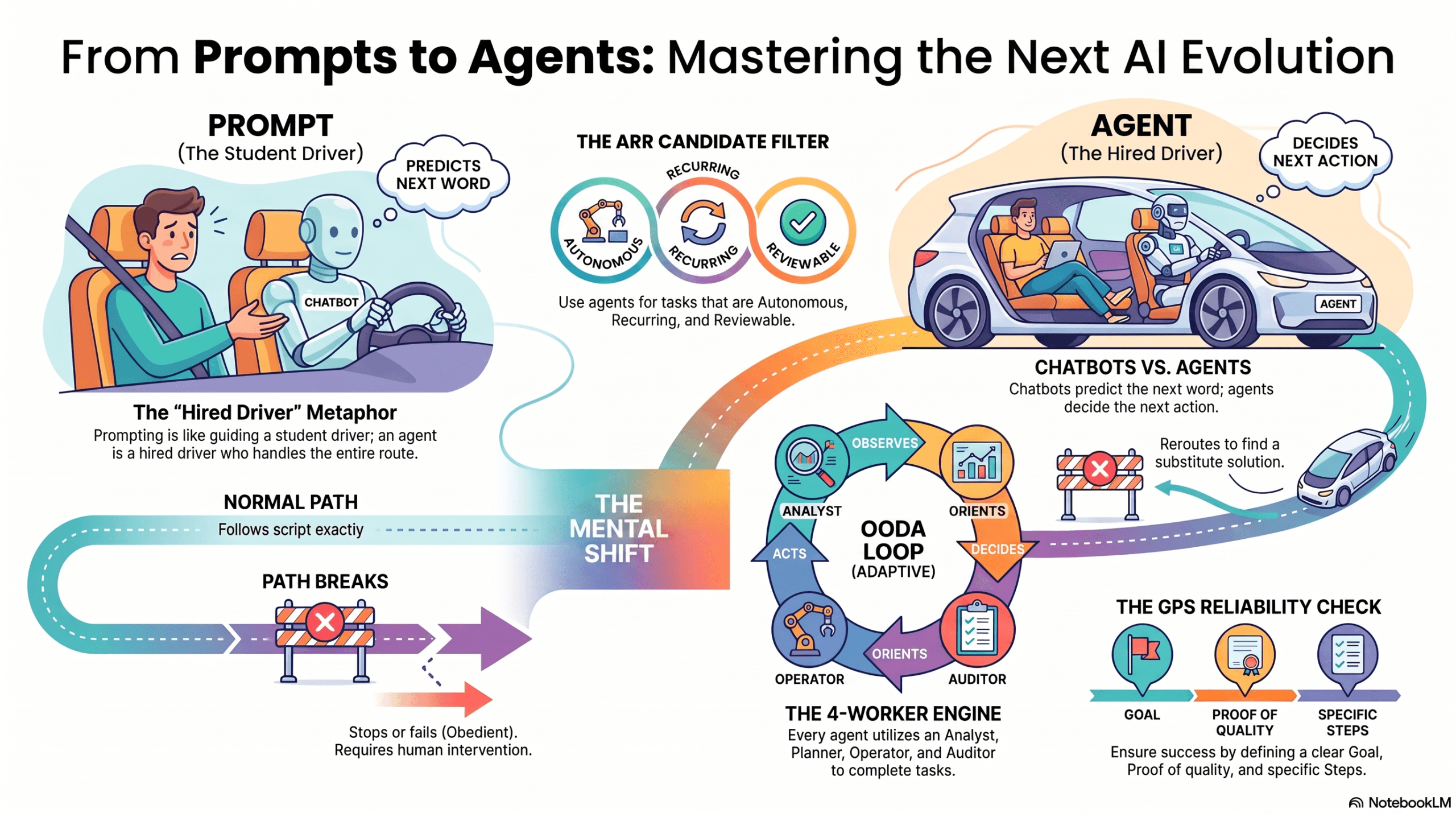
Artificial Intelligence has fundamentally transformed business operations by introducing sophisticated automation capabilities that extend beyond simple task execution. AI-powered systems are designed to learn and adapt from historical data, enabling them to anticipate future trends and make informed decisions autonomously. This has led to the creation of smart workflows that dynamically adjust to changing business environments, ensuring that companies remain agile and responsive.

One of the most significant impacts of AI in business operations is the reduction of manual intervention. Traditional business processes often involve repetitive tasks that are not only time-consuming but also prone to human error. AI algorithms can automate these tasks with a high degree of accuracy, freeing up human resources to focus on more strategic, value-added activities. For instance, in finance, AI can automate invoice processing and financial reporting, which enhances accuracy and reduces turnaround times.
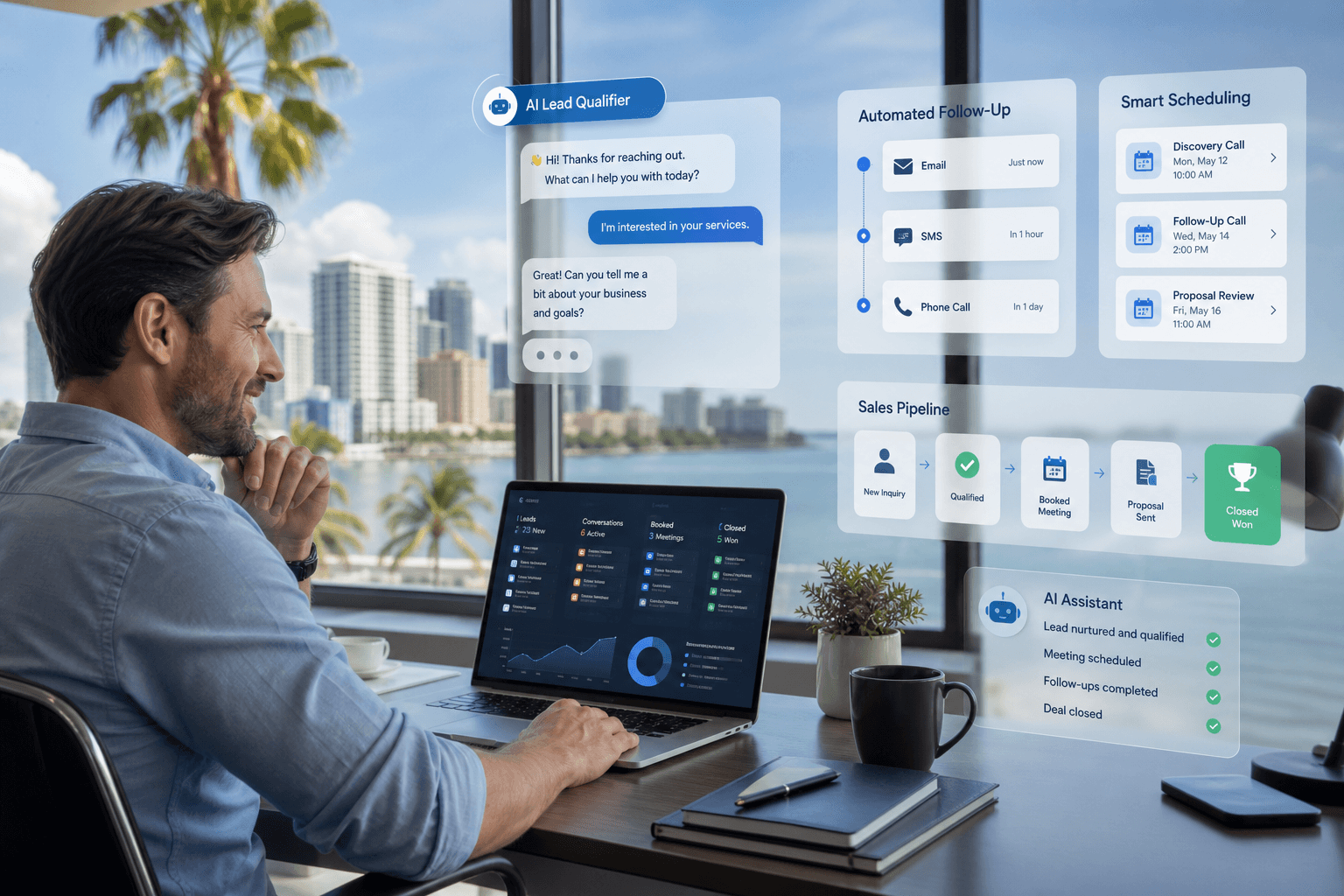
Furthermore, AI-driven automation facilitates enhanced customer experiences by personalizing interactions and providing timely responses. Chatbots and virtual assistants, powered by natural language processing (NLP), can handle customer inquiries round the clock, offering instant support and resolving issues with minimal human intervention. This level of service not only improves customer satisfaction but also builds long-term loyalty, demonstrating the substantial benefits of AI integration in business operations.
Maximizing Efficiency: The Role of AI in Process Streamlining
AI’s role in maximizing business efficiency is underscored by its ability to streamline complex processes through data-driven insights and predictive analytics. By analyzing vast amounts of data, AI systems can identify bottlenecks and inefficiencies within workflows, providing actionable recommendations to optimize performance. This level of analysis is beyond human capability, making AI an indispensable tool for businesses aiming to enhance operational efficiency.
Predictive maintenance in manufacturing is a prime example of AI-driven process streamlining. AI algorithms can analyze data from sensors embedded in machinery to predict potential failures before they occur. This proactive approach not only minimizes downtime but also extends the lifespan of equipment, resulting in significant cost savings and improved productivity. Similarly, in supply chain management, AI can optimize logistics by predicting demand patterns and adjusting inventory levels accordingly, ensuring that resources are utilized efficiently.
Moreover, AI enhances decision-making processes by providing real-time insights and analytics. Business leaders can leverage AI-driven dashboards to monitor key performance indicators (KPIs) and make informed decisions swiftly. By automating data collection and analysis, AI eliminates the need for extensive manual reporting, allowing decision-makers to focus on strategic initiatives that drive growth. Consequently, AI’s ability to streamline processes and provide actionable insights translates into a competitive advantage for businesses.
In conclusion, the integration of AI in business process automation represents a paradigm shift in how companies operate and compete in the marketplace. AI-powered automation not only transforms traditional workflows by reducing manual intervention and enhancing accuracy but also significantly maximizes efficiency through predictive analytics and real-time insights. As businesses continue to embrace AI technologies, they will unlock new levels of productivity, innovation, and customer satisfaction, solidifying their position in an increasingly competitive landscape. AI is not just a tool for automation; it is a strategic asset that drives sustainable business growth and operational excellence.