The evolving landscape of project management and resource allocation is witnessing a significant transformation driven by the integration of artificial intelligence (AI). Leveraging AI technologies presents a paradigm shift in how projects are planned, executed, and monitored, offering unprecedented efficiency and precision. This article delves into the multifaceted role of AI in enhancing project management and optimizing resource allocation, underscoring its impact on organizational productivity and effectiveness.
Enhancing Project Management Efficiency with AI Tools
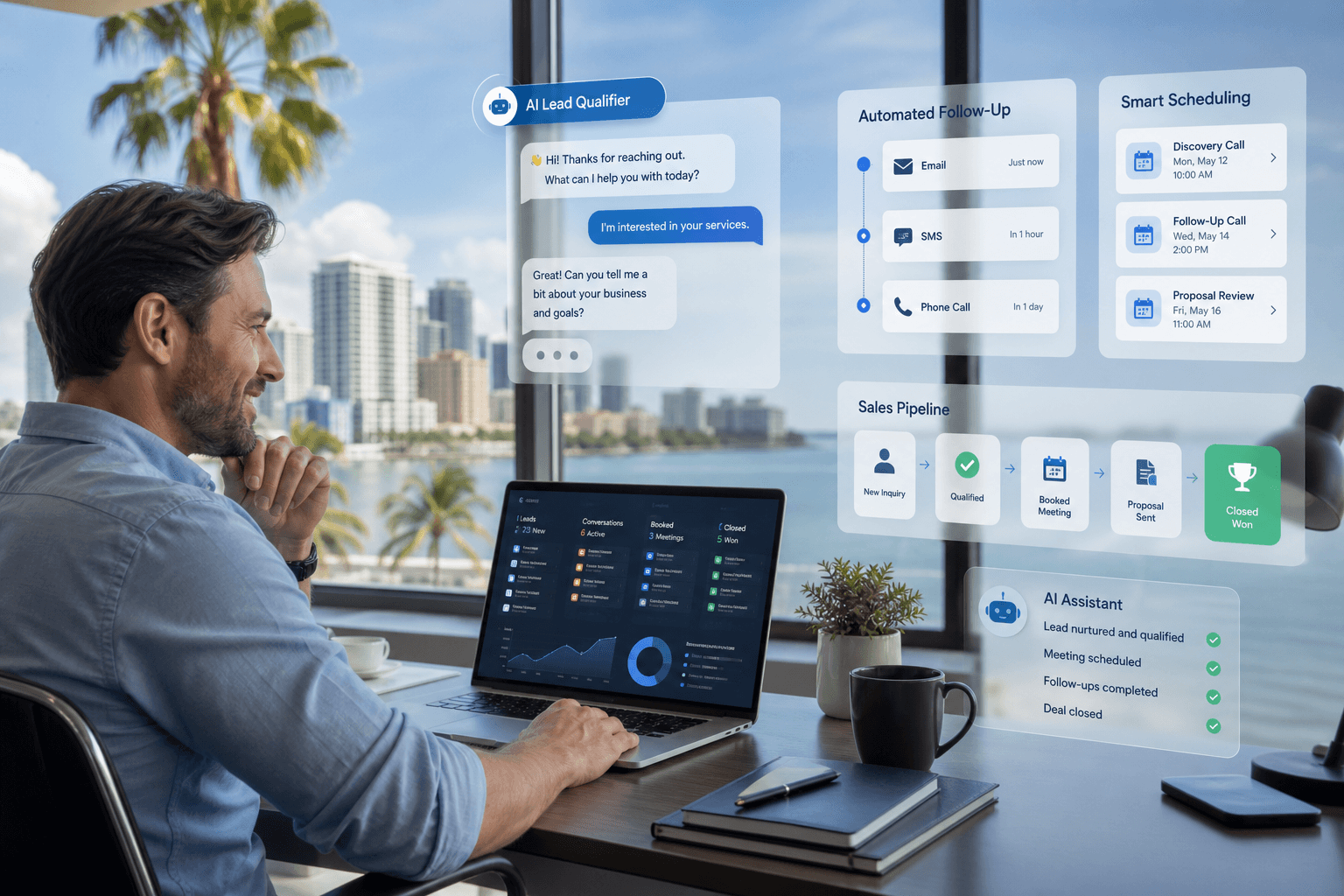
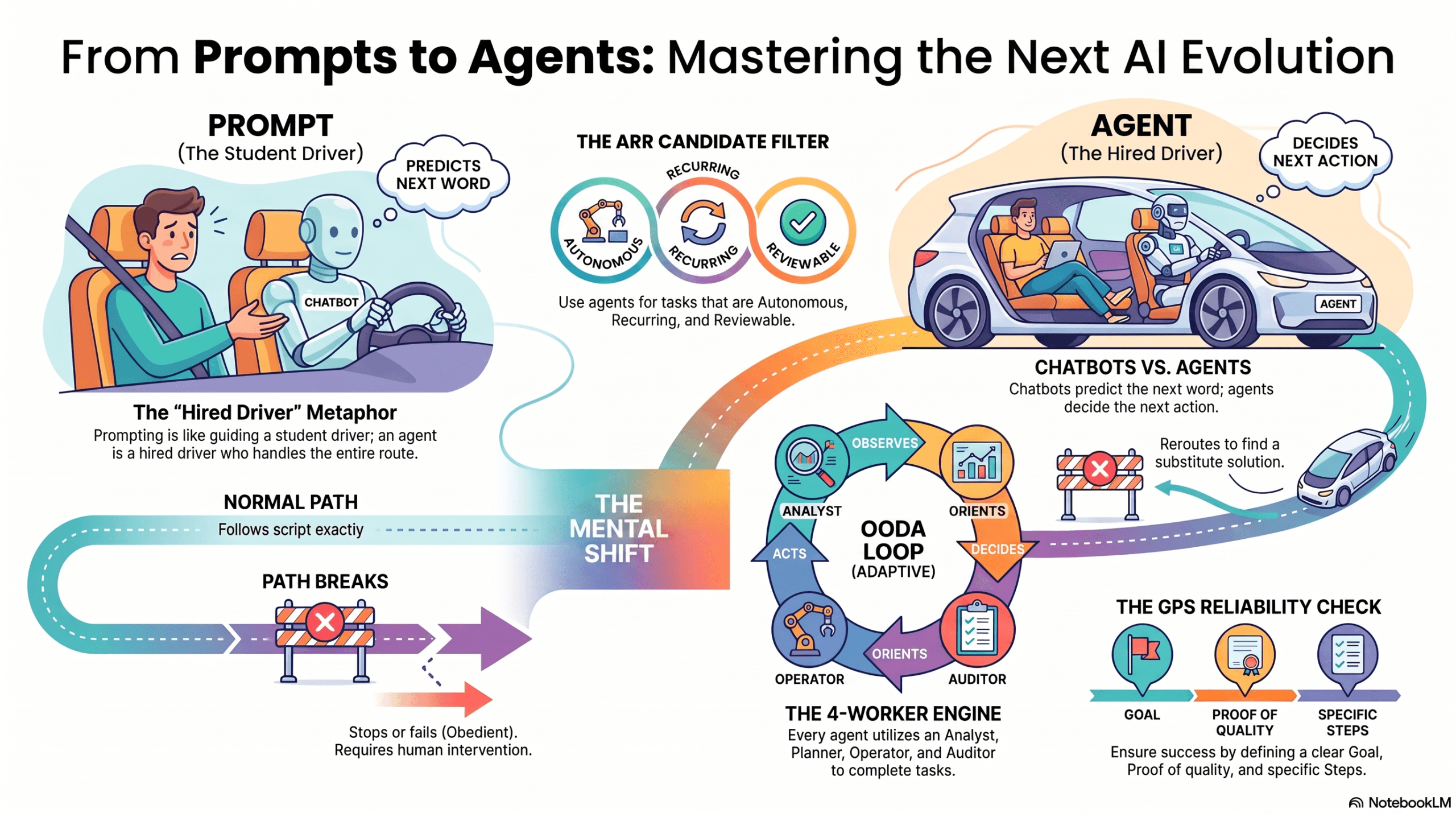
AI tools are revolutionizing project management by automating routine administrative tasks, thereby allowing project managers to focus on strategic planning and decision-making. Through machine learning algorithms and natural language processing, AI can manage scheduling, risk assessment, and progress tracking with remarkable accuracy. Tools like predictive analytics can forecast project outcomes, identify potential bottlenecks, and suggest proactive measures, significantly reducing the likelihood of delays and cost overruns.

Moreover, AI-driven project management systems offer enhanced collaboration capabilities. By integrating with communication platforms and project management software, AI facilitates seamless information flow among team members, stakeholders, and clients. This integration ensures that everyone is on the same page, thereby minimizing misunderstandings and enhancing overall project coherence. AI also aids in maintaining a comprehensive project documentation trail, which is crucial for accountability and continuous improvement.
The implementation of AI in project management also improves decision-making processes. AI tools can analyze vast amounts of data from past projects to provide insights and learning points that can guide current project planning and execution. This data-driven approach helps in refining project objectives, timelines, and resource allocation, ensuring that projects are not only completed on time but also align with organizational goals and client expectations.
Optimizing Resource Allocation through Artificial Intelligence
Resource allocation is a critical aspect of project management that significantly impacts project success. AI enhances this process by providing real-time data and analytics that enable project managers to allocate resources more efficiently. AI algorithms can analyze resource utilization patterns and predict future resource needs, thereby optimizing the allocation process and ensuring that resources are neither overburdened nor underutilized.
AI also facilitates dynamic resource allocation, which is essential in agile project environments where requirements frequently change. With AI, project managers can swiftly reallocate resources in response to unexpected changes or new priorities, ensuring that project momentum is maintained. Furthermore, AI tools can identify the skills and competencies required for specific tasks and match them with the most suitable team members, enhancing productivity and project outcomes.
Advanced AI solutions incorporate predictive analytics and machine learning to forecast resource availability and potential bottlenecks. By analyzing historical data and trends, these tools can predict when and where resource constraints might occur, allowing project managers to proactively address these issues before they impact project timelines. This predictive capability ensures that resources are optimally utilized and project delays are minimized, leading to more predictable and successful project outcomes.
The integration of AI in project management and resource allocation represents a significant leap forward in enhancing organizational efficiency and effectiveness. By automating routine tasks, facilitating dynamic resource allocation, and providing data-driven insights, AI transforms traditional project management practices and sets a new standard for excellence. Organizations that embrace these AI-driven technologies are better positioned to navigate the complexities of modern project environments, achieve their strategic objectives, and gain a competitive edge in their respective industries.